
Originally posted on Medium.com.
Forming strong connections with children, at an early stage, is critical to how they will interact and see themselves in the world.
Parenting is challenging. We all try so hard to give our all to our children. We desperately want them to feel loved and connected. But somehow there is often a disconnect. Perhaps it’s a generational thing, or that we don’t seem to speak the same language as our children, or just all of the “disconnection” that our kids are dealing with in today’s frenetic world. What are steps that parents can take to help their children feel loved and connected?
As a part of our series about “How to Raise Children Who Feel Loved and Connected” we had the pleasure to interview Taryn H. Parker.
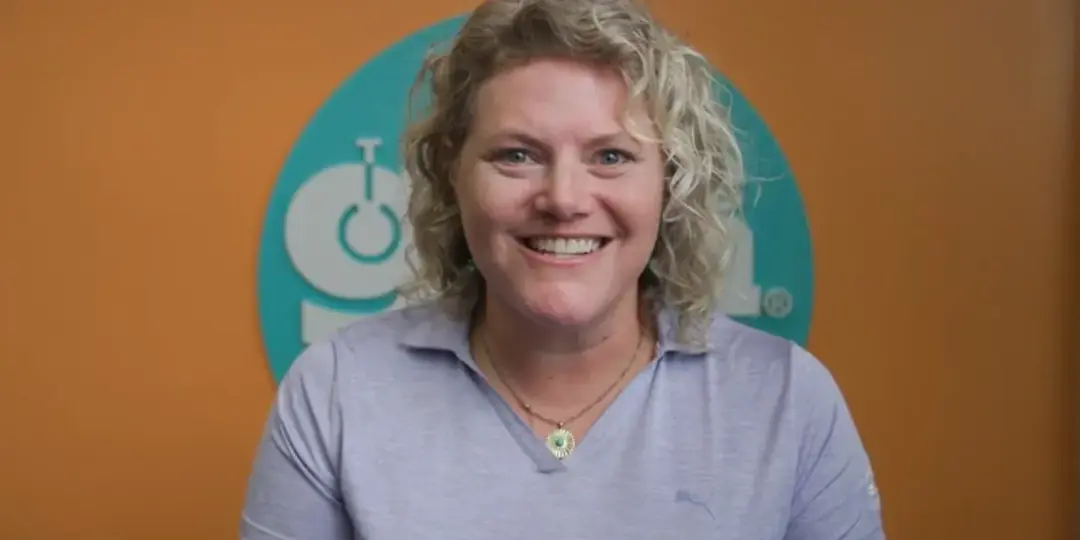
Taryn H. Parker is the Director of Curriculum & Training for The Little Gym International, part of youth enrichment platform Unleashed Brands. She brings more than 20 years of experience in child development. With a background in movement-based learning, she has spent a decade training and opening new child development centers. Taryn is passionate about supporting families and creating positive impact across generations. She has served as a child development educator and mentor, guiding and inspiring the next generation of trainers and franchisees. Today, Taryn leads the development and implementation of engaging, results-driven programs across the brand — and you’ll often “spot” her sharing that passion as a familiar face across The Little Gym’s media and social platforms.
Thank you so much for joining us! Before we dive in, our readers would love to get to know a bit about you. Can you tell us your “childhood backstory”?
Everyone loves a good backstory, certainly I do! I’d say the overarching through line of my childhood is that I come from a big family and I grew up with a softball bat in my hand. I am not only the youngest sibling in my immediate family, I also have the pleasure of being the youngest cousin of my generation. So, let’s just say there was a lot to look up to. As the youngest you often feel pressure to “play up”, while everyone else may think you have it the easiest. Now that is the perfect recipe for you guessed it, a perfectionist. However, my family was always and is still always in my corner. Now that I look back when I was younger, I was the one who got in my own way. I was putting this unrealistic pressure on myself, despite my family’s best efforts to help. It had to come from within me. Once I realized that, doors didn’t start unlocking for me, I started to unlock the doors for myself. Finally, I had the key. I’ll never forget what my dad always said to me before every game, “It’s not matter you win or lose; it’s how you play the game.” It was always up to me and once I realized that — my confidence grew and the pressure dropped.
Can you share the story about what brought you to this specific point in your career?
Like most people who graduated college in 2004 with a Psychology degree, I was looking for a job, any job. I wasn’t looking for a career so-to-speak. Coming from a big family, I loved people and so did they. Many might have the exact opposite reaction, but for some reason I am wired to see any stranger and think, “Now there’s a friend I haven’t met yet.” This still drives some of my friends a little crazy, but the lore we’ve created along the way — totally worth it. In 2005, I applied for this part-time shift at The Little Gym in the Philadelphia area. It was a full circle moment as this business has been near and dear to my family’s hearts for a long time. I got it and despite my best efforts as a 20-something, I kept excelling in this role! Literally, leaping from Program Director to Gym Director to Operator, I’m humbled to have experienced every level of this child development franchise and still have strong connections with families I taught over 20 years ago. In 2016, our family was ready for new adventures, and I applied to work in the corporate office in Scottsdale, AZ as a Curriculum & Training Specialist. We hopped in a jeep with our dog and way too much stuff, moved across the country and I started traveling the world opening The Little Gym locations. 10 years later, I haven’t stopped cartwheeling and am now the Director of Curriculum & Training for over 400 international locations. I will always look back and see myself as having one role — a teacher. A teacher to kids, parents, instructors, families, and franchisees — my passion for building lasting connections inspires me every day, and now I get to have all the fun doing it with my own family too.
Ok, thank you for that. Let’s now jump to the core of our discussion. This is probably intuitive to many, but it would be beneficial to spell it out. Based on your experience or research, can you explain to us why it is so important to forge a strong connection with our children?
Forming strong connections with children, at an early stage, is critical to how they will interact and see themselves in the world. As a leader in child development and curriculum production for ages 1 month — 12 years, research shows that these connections may start even before a child is born. Close and consistent contact, as simple as snuggles and the sound of a parent’s voice is all it takes to start building those strong connections early. Although from a parent’s perspective, we’re constantly bombarded by so much developmental information, neurocognitive benefits, do’s and don’ts, healthy attachment co-regulation — the list could go on and on. While parenting support groups, online influencers, and research-backed nonprofits are tremendously helpful, the amount of information can be overwhelming and as a parent, you might not know where to start. In today’s landscape, there is so much pressure. Like I mentioned in my story above, it’s about removing that pressure and taking ownership of your connection with your child. Whether that starts in early infancy, toddlers, preschool, school age, adolescence and adulthood. It’s never too late to form a connection. With each age and stage, how we connect with our children naturally changes and shifts. The important distinction here is that while the ways we connect change, the strength of the connection doesn’t have to. That is up to us — it’s, “How we play the game!” This insight may help remove some pressure from our day to day as parents. After working with cross-generational families, we’ve validated that this mindset shift has improved their ability to cope with changing family dynamics. A very simple and effective parenting strategy is to connect with your child where they are, not necessarily where we think they should be. The younger they are, the more literal we can take this. If your child is on the floor for tummy time, simply join them. If they’re running away from literally everything at age 2, turn it into a game of chase. If they are experiencing anxiety about school readiness, whether that is elementary, high school, college, or even their first job, create space to support them to find their own voice.
What happens when children do not have that connection, or only have a weak connection?
To find that voice and place in the world children use their developing sensory processing system. Building a strong connection will help your child process information and regulate their reactions to it. They look to caregivers as both a source of support and a model for these behaviors. They also look to their peers. This is why movement-based experiences with friends can be a powerful tool and outlet to rebuild sensory integration and confidence. When there’s major inconsistencies in these connections, it may impact a child’s ability to confidently regulate their emotional and social responses down the road. Consistency does not mean perfection. Prioritizing a few simple steps can go a long way. Create predictable routines & transitions, validate feelings before fixing behaviors, and help children notice and name their own emotions. These tactics will help support any child’s budding confidence and get ready to see some remarkable growth.
Do you think children in this generation are less likely to feel loved and connected? Why do you feel the way you do?
I think this generation of children have demonstrated such resilience. Many of them have experienced the pandemic quarantined in other countries, over their senior year of college, participated in virtual middle school dances and graduations, and have been pulled from preschools and daycares. Yet, they have sought out love and connection. That is why I feel we can learn the most from this generation. Despite all those experiences, they’ve still been able to build connections in new and creative ways that previous generations, including myself, have never thought possible. I am enamored by these young pioneers and their curiosity, drive and willingness to try new things. While they seek connection, it will be important for this generation to accept support from within. To feel seen and loved for who they are — not who they think they should be. They are heroes and when this generation truly believes in themselves, they’re unstoppable — a slam dunk. Connections are so often associated with others — however sometimes the most powerful connection is within us. Self-confidence is the belief in one’s abilities, self-esteem is the belief in oneself. When developed in tandem, they are restorative to sensory integration, mindfulness and self-compassion. That may just be the key that helps this generation truly accept love as freely as they give it.
We live in a world with incessant demands for our time and attention. There is so much distraction and disconnection. Can you share with our readers 5 steps that parents can take to help their children feel loved and connected? Please include examples or stories for each, if you can.
1. Meet them where they are…not where we think they should be.
The younger they are, the more literal we can take this. If your child is on the floor for tummy time, simply join them. A runaway 2 yr old, turn it into a game of tag. Showing signs of anxiety, create space to support them to find their own voice. My daughter is 6, almost 7 (couldn’t resist, haha). Every day on the bike or drive home from school I always ask her, “What did you learn today?” Most days she answers, depending on the moon or blood sugar levels. I think to myself, I’m not asking a yes or no question, I’m being creative and I’m being consistent in our routine with the time of day. So why is she shutting down sometimes or why aren’t I getting the full story? This question wasn’t tapping into her emotions. Adding an emotional question helps create context for more in-depth answers and deepens our connection. “What did you learn today that surprised you? When did you laugh the hardest today? What was your biggest jump scare?”
2. Reset before you connect.
1 intentional 3–5 second breath can make all the difference. Life hack — this works for both kids and adults. In the busy pace of life, I find myself doing a minimum of 2–3 physical tasks at once while I’m also mentally thinking about another 3–5 that I have yet to even do. Then there’s PTO (parent teacher organization). This is sensory overload — quite literally. As a caregiver, this simple tip has helped me be very present for my daughter and prevents outside distraction. It has strengthened our connection because I am focused on processing her words, her feelings, her actions, and not the other 5–26 distractions. In 5 years, will I remember all those things on my list? No, I will remember kissing Nell’s hands every day at school drop off. The most important thing is — so will she. The strongest connections often stem from simple moments that turn into generational traditions. I can’t wait to hear what yours are going to be!
3. Be Curious.
First, find out what your child likes to learn, then find out how they learn. Learning styles can often be the first signs of a child’s growing personality — extraverts and introverts. Awareness of your child’s budding personality is a great way to strengthen your connection. Learning styles manifest as young as infancy through age 5. Children at this age begin to process through their senses — touch, move, and do. Which explains so much, right? At first young children tend to start as kinesthetic learners (movement-based learning), many visual and some auditory. In my experience, I’ve coined another learning style — emotional — through stories, memories and you guessed it — emotionally expressive. By ages 6–7, you may see some more dominate styles taking shape. In middle school, they’ll become even more refined and children will start to have a preference. What’s the best way to do this to help strengthen your connection? Be curious and start noticing how they interact. From my experience in our classes, music can be a helpful teaching tool or a distraction to our students. I’m sure you’ve also had experiences with this at home. Recently, it’s helped to turn the music off while we’re doing homework. I’m always intentional to praise Nell’s effort on her homework, not just the outcome. What specifically is she doing to focus, how is she using that learning style or adapting to a new one? When we praise character, it goes a long way to building confidence.
4. Play with Purpose.
It’s often said that play is the work of children — I’d also argue it’s the work of children at heart — us, “adults”. It’s safe to say play is most likely your child’s love language, no matter how old. Games are not only fun, but they engage your child and give you time to connect. Whether it’s blowing bubbles, playing hide n’ seek, I spy, board games, puzzles, video games or getting lost of a drive with your 16-year-old — find how they like to play. Being a playmate creates trust with your child. Games level the playing field — especially when you empower your child to set the rules! Tread carefully. 😉 This morning I told my daughter about this article. And I asked her, “How did we first connect?” She was like, “What’s a connection?” I answered, “It’s how we spend time together — what do you like that we do?” No hesitation, she said, “Play”. At The Little Gym, we often call play a “for-better” word and now you know why.
5. Feel it to Heal It.
This is a direct quote from my mentor during a virtual webinar smack in the middle of the pandemic. I wrote this down immediately. Teaching your child emotions can be intimidating, however this approach is simple. Emotional intelligence can start very young. Facebooks that show children’s expressions is a great start and continued practice for you to do together during story time or in the mirror after bath time. As they grow, expand on this concept. Name it, feel it, then heal it. This simple 3 step process will help build a strong foundation for your child to come to you with both joyful and challenging emotions in the future.
How do you define a “good parent”? Can you give an example or story?
I have this saying in the back of my head from my years training on class management. As soon as I read this question that’s all I could think about. At The Little Gym our teaching mindset is, “All children are good.” Children are never the problem, the behavior is a moment of learning, not a definition of who they are. These behaviors are what we address, because all children are good. Does the same apply to grownups? I’ll leave that open-ended for now. As parents, we have different expectations and standards of care that we deliver to support and keep our children safe. Maybe the question is, how do we define “safe parents”? While we all dream to be as fun as Bluey’s Dad, as even-keeled and self-aware as Bluey’s Mom — it seems like an impossible task. We’re often our harshest critics. If safety is a priority, then that is a good start. To me — being safe, engaging, present, positive, supportive, trusting and yourself are all good behaviors to see in parents. Just like in our children, parents also have different learning styles and personalities. To have self-awareness and to be humble are both amazing attributes to help lead by example and are critical in teaching not only connection, but also character. One of the best behaviors I’ve seen in parents is to apologize when they make an honest mistake. This strengthens your connection, allowing your child to see your vulnerability can open the door up for true connection. A great example of this is upholding promises. It can be so challenging when you’re wearing so many sunglasses, just kidding hats. When promises do slip through the cracks, a late pickup at school, forgetting to book the playdate, a new backpack — how do you tackle that conversation? Honesty. I often share with my daughter one of our teaching philosophies, “It’s ok to make _____ (mistakes), as long as we learn from them.” She’s started to fill in the blank and take ownership of her mistakes as well — learning to apologize to her friends. For our deeply feeling kids this is the mark of not just good parenting, it’s great parenting. Keep it up out there!
How do you inspire your child to “dream big”? Can you give an example or story?
This song popped into my head instantaneously! “Someday we’ll find it, the rainbow connection / The lovers, the dreamers, and me.” The Rainbow Connection, Disney’s the Muppets, 1979. We started by talking about our own dreams right when we woke up. This was such an organic way to get Connelly thinking about her dreams. This is such a relatable way for your child to understand that anything is possible in a dream. However, when we’re awake is it still possible to dream, to dream big? It sure is! We can have real life dreams or “goals” which is something we are trying to achieve. There are so many great moments throughout each year to consistently touch base on dreams — New Years, Birthdays, Martin Luther King, Jr. Day. My best unsolicited, solicited advice is to start with attainable dreams — small wins, then grow them bigger! What does a daily dream look like, weekly, monthly? Then get to those big dreams. I love asking, “What is your biggest dream for yourself this year? Her answer, “Riding my bike by my own”. And we did just that together!
How would you define “success” when it comes to raising children?
In my opinion, success is in the memories we are lucky enough to make and pass on every day. I often tell Connelly that we are rich in people. The people and connections we meet along the way — to me that defines success. Some connections are so deeply rooted that they’ll be there forever like the connection with our families. Others may be planted and harvested during different seasons of your lives. But regardless of the length of connection, it never diminishes the strength of that connection in the moment and the memories you have from it, the lessons you learn from it and how you treat people with kindness. To me — those moments are priceless. To quote Lester Bang from the movie Almost Famous, “The only true currency in this bankrupt world is what you share with someone else when you’re uncool.” I am always uncool, vulnerable, honest and connected with my family. That unconditional love and true connection — that is success to me.
This is a huge topic in itself, but it would be worthwhile to touch upon it here. What are some ideal social media and digital habits that you think parents should teach to their children?
As with anything, we’re always looking for moderation and balance. Research shows that excessive screen time can lead to issues across the board in children — physical, mental, behavioral, etc. However, I see this as an opportunity to teach our children how to create healthy boundaries with technology. It certainly takes time and doesn’t happen overnight. When we started with screens, we started slow with content that I was familiar with. So, I always recommend picking something that you trust and know. Then as they grow older (with all your free time just kidding) start getting into the habit of co-watching before approving content. There are settings to provide security and playlists that you can curate as a parent. With each step, I also recommend letting the line out a bit. You can start with timers, but then teach your child how to manage their time and turn off their device after a specific show, etc. Eventually, instead of the device in control, you’re empowering your child to be in control and to know their own limits. One day when you’re not there, they will be able to use their spidey sense and get out of that scroll trap!
What are your favorite books, podcasts, or resources that inspire you to be a better parent? Can you explain why you like them?
Love this question! The best advice I’ve ever gotten was from a Dad and I’ve paid it forward, but never paid him. Casey texted me on Day 2 after Nell was born, you know the night where they will just not sleep. The text was simple — numbered for easy reading.
- Happy baby
- Trust yourself (and Alden)… people have been raising children for thousands of years…you can handle it
- Enjoy her
This meant everything to me, because it empowered me to be confident in Nell, my partner and myself. In all honesty, it prevented me from scrolling, searching, over researching. I leaned into my family, our pediatrician and their guidance. It’s easy to stray from advice, but when the times have been toughest I always circle back to those 3 things. Thank you, Casey. (Except that one time during sophomore year at Georgetown University in LXR)
Can you please give us your favorite “Life Lesson Quote”? Can you share how that was relevant to you in your life?
By far my favorite life lesson quote is, “The best teachers never stop learning.” In the early 2000s, my first mentor at The Little Gym shared this quote with me. This quote has been relevant to me in almost every season of my life. As a collegiate athlete, a trainer, an operator, a director, a writer, a daughter, an aunt, a wife, but most importantly a mom — it’s kept me open to learning something new every day. On the days when it seems so hard and there is no time to learn anything new, my best friend and current Brand President of The Little Gym International shares, “Taryn, you can make the time.” With a smile, I nodded, “Sam, you’re right. The best teachers never stop learning.”
You are a person of great influence. If you could inspire a movement that would bring the most amount of good to the most amount of people, what would that be? You never know what your idea can trigger. :-)
This is such a powerful question. Inspired by this article, I keep thinking on how to bring meaningful connection to the world through a movement or an experience. I look back on my 20 + years at The Little Gym and realize that our founder, Robin Wes, created a space for families to create these connections. This year in 2026 we’re celebrating 50 years of The Little Gym, and I’d love to see it through another 50 more! I was introduced to The Little Gym by my family first and I’ll always carry that with me. Thanks, Mr. Mike! I’m also inspired by this current generation — that found such innovative ways to connect through tremendous odds like a pandemic. So, I think my answer is a mix of both movements — to innovate how we connect and capture the memories with our children to pass along to future generations. Oh, and I want to bring pen pals back!!
Thank you so much for these insights! This was so inspiring!
About The Interviewer: Hudi Gugenheimer is the Founder and CEO of the Thrilled Mama Programs, where she supports mothers of young children in reducing anxiety and building lasting inner peace, confidence, and a steady sense of happiness. For more than 15 years, she has worked closely with mothers, helping them develop practical tools and a stronger sense of autonomy in the midst of real life pressures. To date, Hudi has guided over 1,000 mothers through her programs, offering a grounded, compassionate approach that meets women where they are and helps them move forward with clarity and calm.